

The Trusted Layer for Onchain Account Linking
Intuitive for users, built for institutions. AUTH solves for the usability of onchain movements including crypto, stablecoins, and tokenized assets.
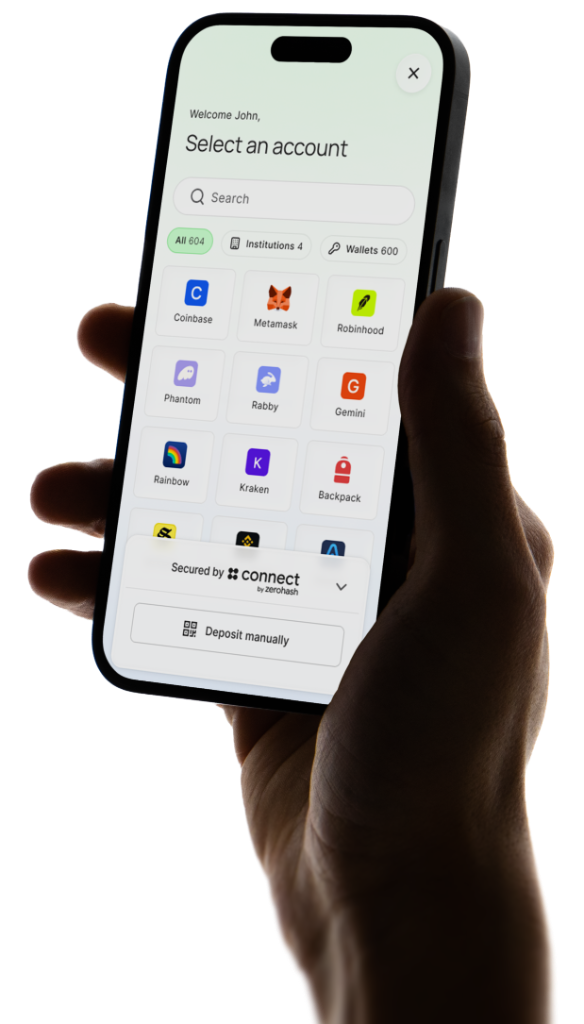
Where Digital Assets Meet Everyday Finance
600+
Connections
~250M
Accessible users
50+
Blockchains supported
99.99%
Uptime
The Assets Are Onchain. The Connection Is Missing.
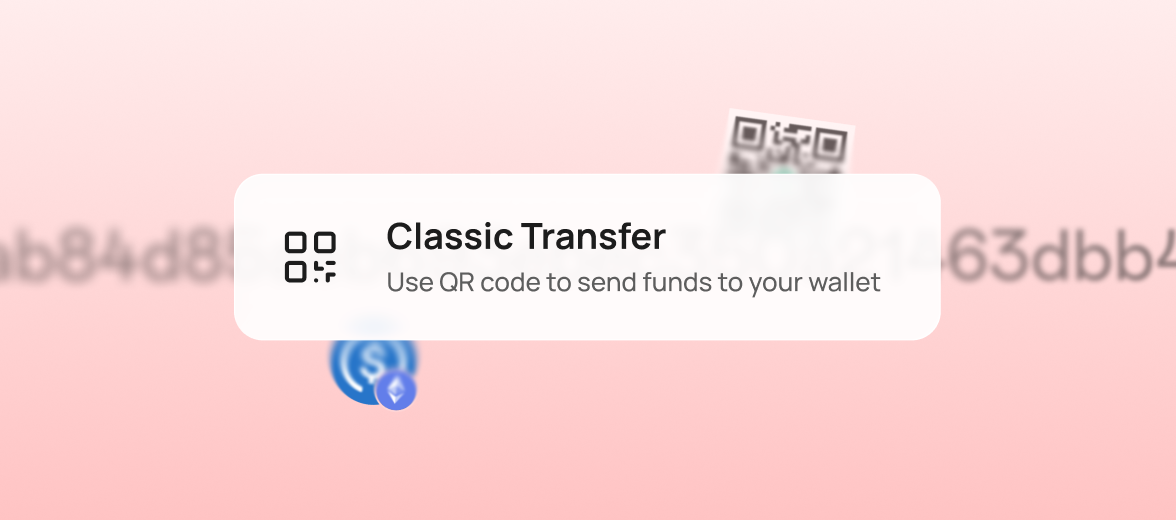
Classic transfers are broken
Friction
Users scan QR codes or copy 42-character addresses and pick the chain, where one mistake can be irreversible.A wallet address is a destination which cannot be authenticated before an onchain transfer.
Imprecision
No control over which accounts send assets, and checks happen only after assets land.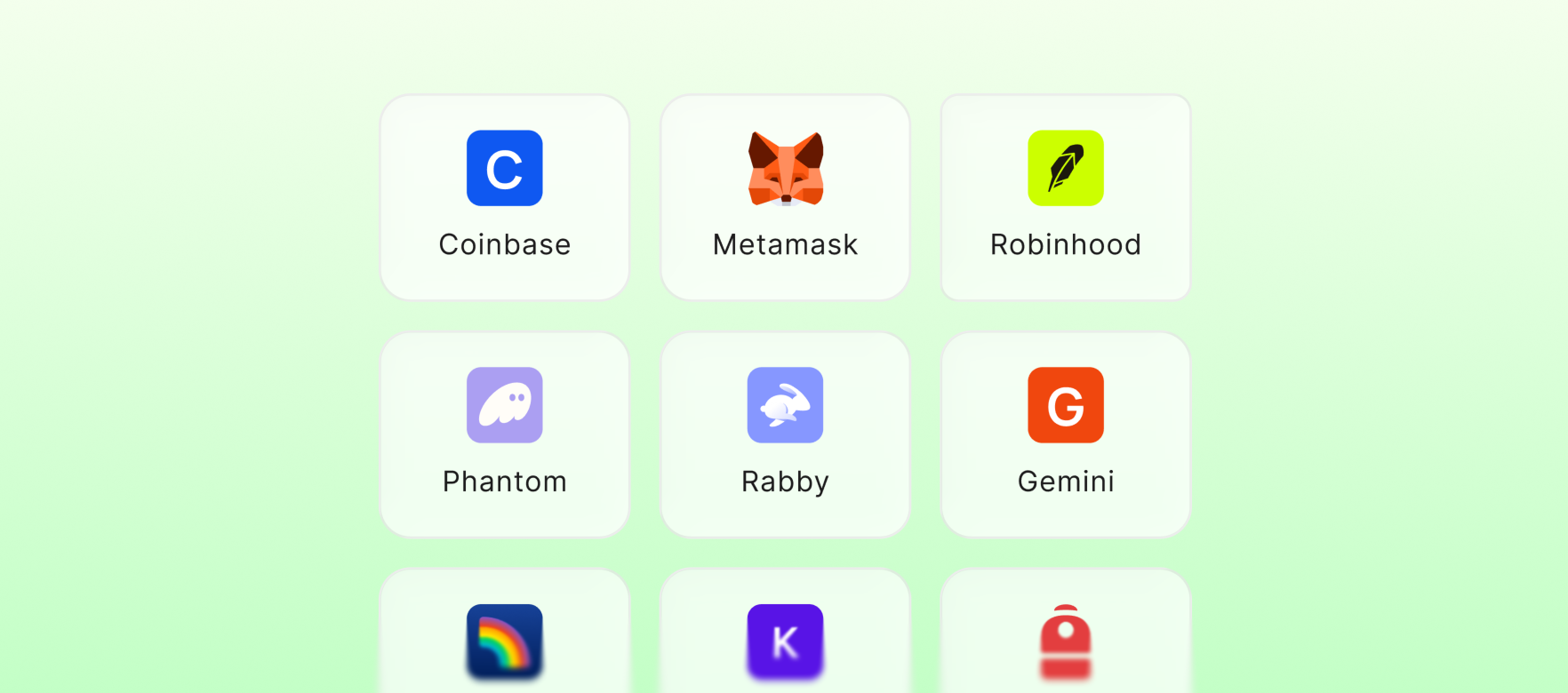
AUTH by zerohash solves onchain transfers
Usability
AUTH links accounts and handles the chain, so users never scan a QR code or copy an address.Trust
AUTH connects verified, user-permissioned accounts, authenticated by connected partners.Control
AUTH clients choose which accounts, onchain assets and transfer types are supported, before any assets move.How it works
Turn onchain transfers into simple account-to-account experiences
Users link an account in a few taps. Verification and onchain movement run behind the scenes.
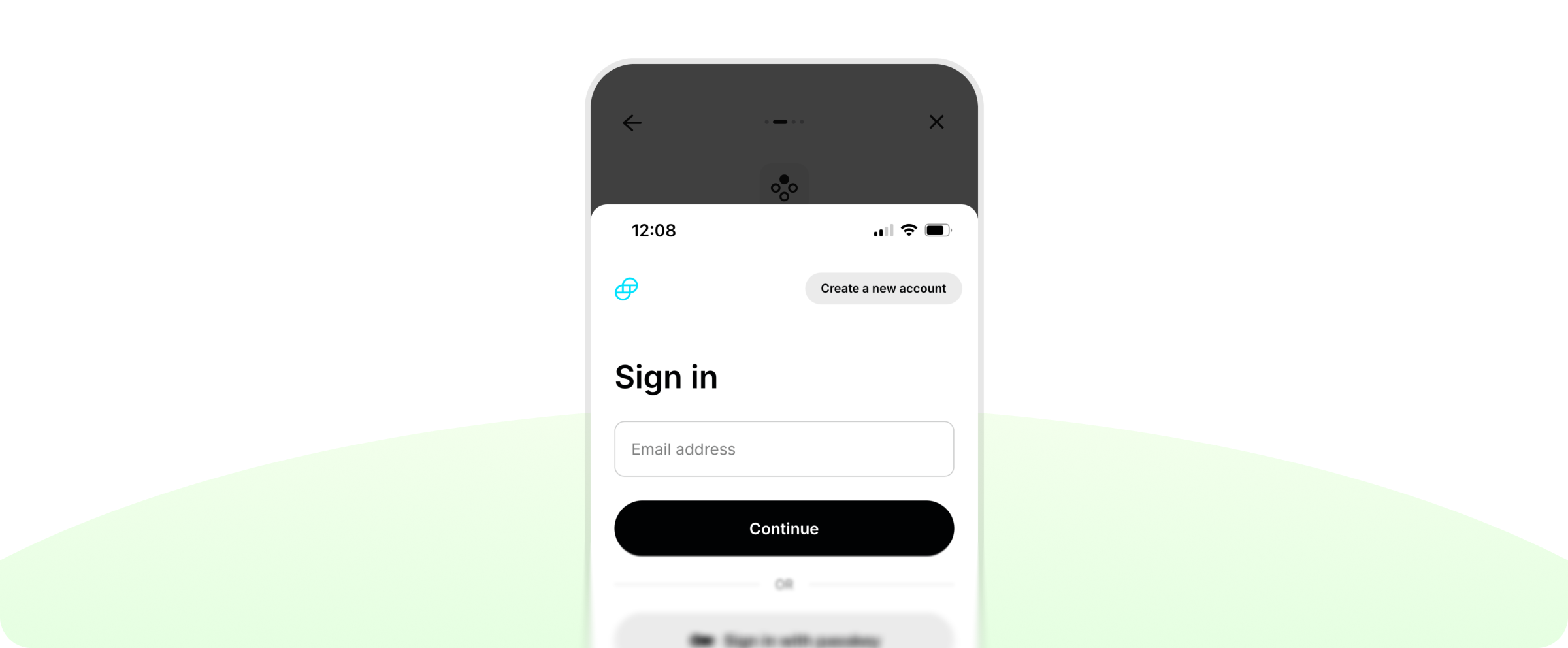
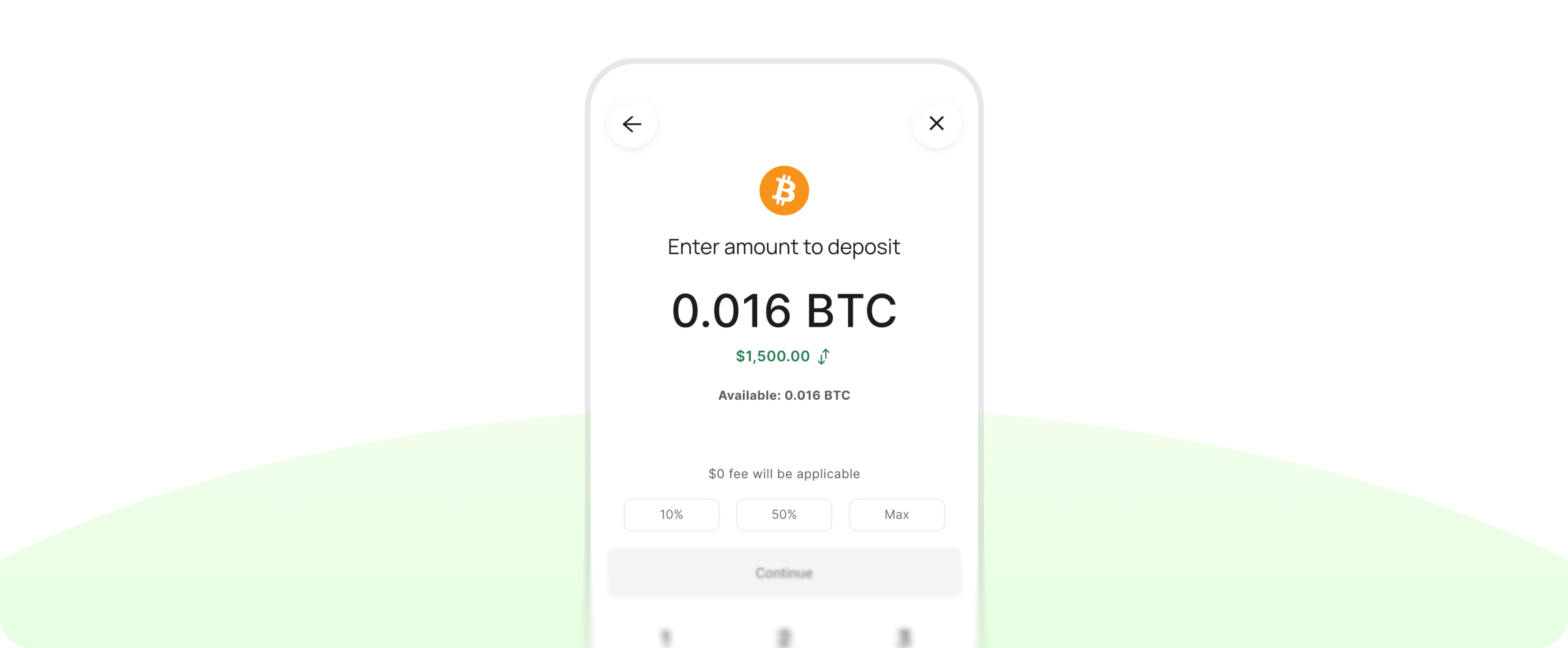
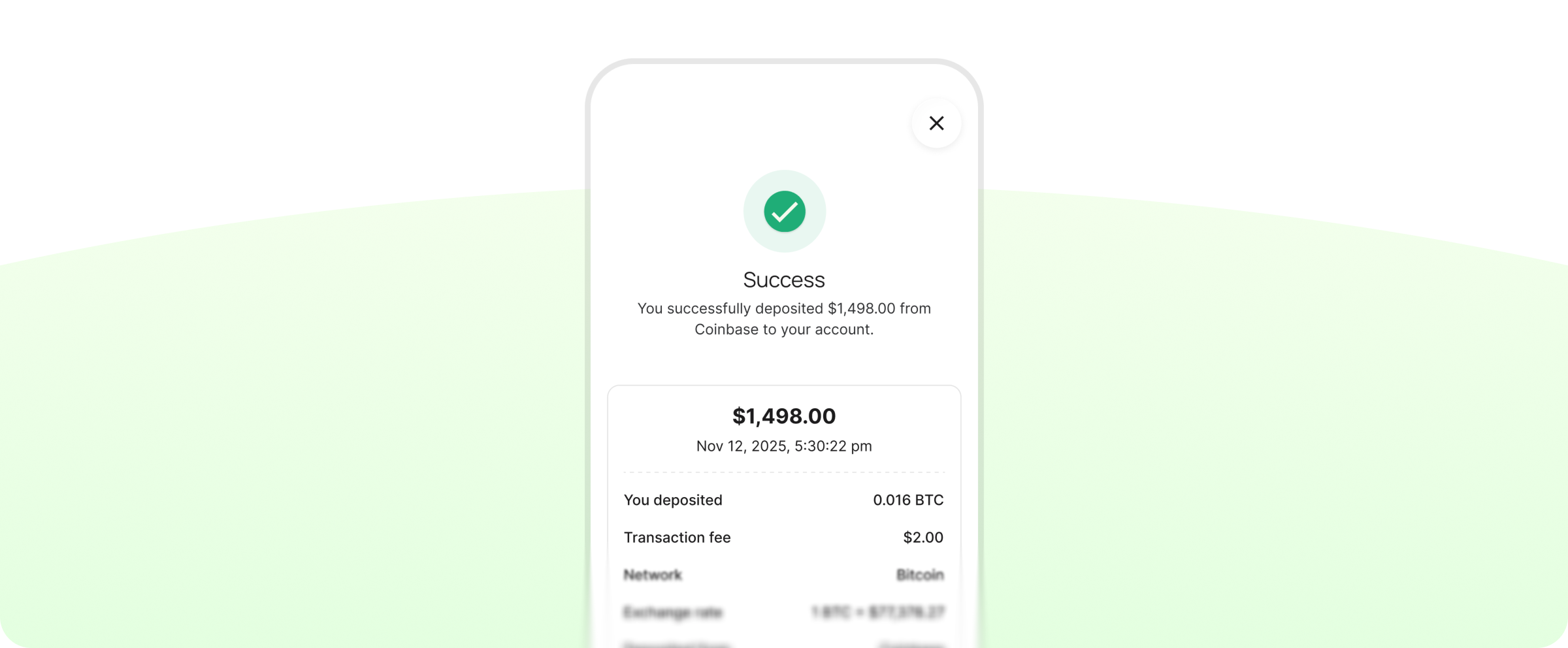
Step 1
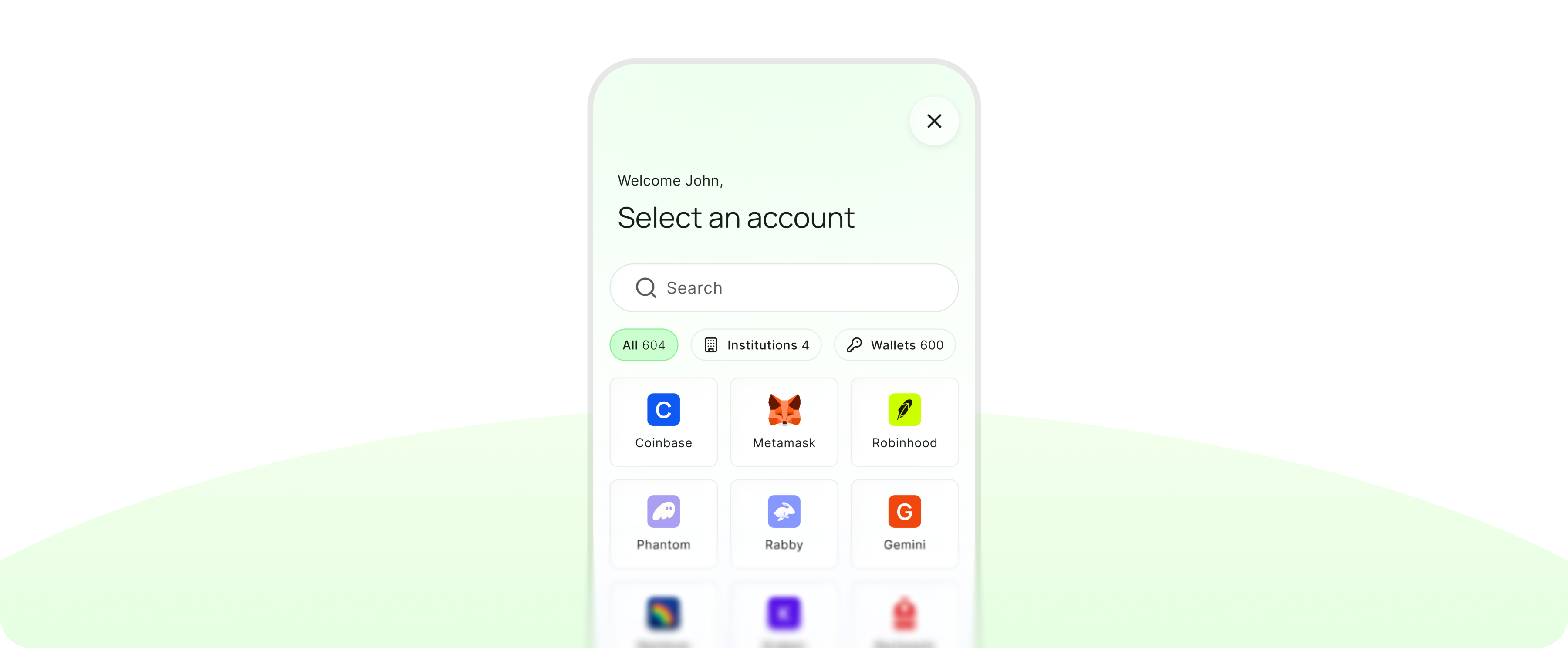
Select Connection
User selects a custodial or self-custodial account to link.
Step 2
Authenticate
Login with account credentials and multi-factor authentication.
Step 3
Transfer
Assets move directly onchain.
Step 4
Done
Balance updated, compliance logged.
What to expect
Intuitive for Users,
Flexible for Platforms
One integration for account-to-account transfers. You configure the controls your platform needs, and your users get a simple, verified experience.
Simple Experience

Reliable Onchain Transfers

Chain Abstraction

Broad Reach

Configurable Controls

Authentication

AUTH by zerohash* is an onchain authentication and account-linking product. It turns onchain transfers into simple, secure account-to-account experiences, so users can move crypto, stablecoins, and tokenized securities with ease and safety, without copying addresses or making decisions related to chains. Users move assets in the familiar way that they move money, stocks or any other financial product. It's where onchain assets meet everyday experiences.
AUTH is secured by Connect Ltd., a Bermuda corporation and an affiliate of zerohash.
When users use AUTH, they must agree to Connect's terms and conditions.
AUTH is for platforms whose users want to move onchain assets in and out from external accounts, including banks, brokerages, fintechs, payment companies and exchanges. Each platform can select from a range of configurations including selecting which accounts, onchain assets, and transfer types are permitted.
As onchain infrastructure scales across every asset class and moves into every mainstream financial product, usability and risk remain the biggest barriers to adoption. Today, onchain transfers rely on long, alphanumeric addresses, QR codes and chain menus, where one mistake can lead to irreversible losses. The future of onchain finance is simplicity and usability. AUTH replaces addresses with authenticated, user-permissioned account-to-account connections. That means fewer manual steps for users and greater control for platforms. In short, AUTH solves for:
- Usability: While onchain rails are incredibly powerful, transfers rely on wallet addresses, chain selection, and manual workflows that create user friction. By structuring onchain asset movement around accounts instead of wallet addresses, AUTH lets users link self-custody and custodial accounts directly, transferring onchain assets without needing to use a raw wallet address or making a chain selection.
- Trust: AUTH replaces raw addresses with user-permissioned accounts authenticated by connected partners.
- Control: Every platform has their own risk appetite. AUTH provides the flexibility for partners to configure transfer types, onchain assets and enabled accounts. Configurations put AUTH clients in control of the experience.
AUTH provides user-permissioned account-linking, handles authentication and settlement automatically. Transfers follow a user-friendly, secure flow:
- Select connection: User selects a custodial or self-custodial account to link.
- Authenticate: Login with account credentials and multi-factor authentication.
- Transfer: Assets move directly onchain.
- Done: Onchain transfer completes.
AUTH connects to 600+ connections across custodial and non-custodial accounts representing approximately 250 million users in 190+ countries. Connections include Robinhood, Gemini, Coinbase (Exchange and Wallet), MetaMask, Phantom, and more.
No. Onchain transfers are connected to accounts linked by AUTH instead of directly using addresses. This removes the friction of copying an address, scanning a QR code, and choosing a network (in most use cases). Classic transfers can still be supported for users that are familiar or may prefer using alphanumeric addresses, or when a custodial or non-custodial account is not supported by AUTH.
Every account is user-permissioned and authenticated. AUTH verifies and links the wallet, and completes 2FA authentication with the account's existing security framework. Platforms can confirm who is linking an account while keeping the controls they need for their own compliance obligations.
Every transfer is confirmed with the linked account's existing security, including two-factor authentication, before any assets move onchain. Accounts are authenticated by the connected partner, and some may require enhanced identity verification before approving a transfer. Platforms maintain control of which accounts, onchain assets and transfer types are allowed.
AUTH moves onchain assets across accounts like any other financial product. It is open finance for onchain. The pattern is the same: replace manual, error-prone account details with a verified, linked account the user controls. In banking, that was the routing and account number. Onchain, it's the wallet address.
AUTH is provided as a standalone account-linking and onchain transfer product, or enabled in the existing zerohash SDK for existing platforms integrated for other zerohash products with no separate integration required.
Technical documentation, SDK guides, and integration details for AUTH are available in zerohash's developer docs. They cover integration for web and mobile, and platforms already using the zerohash SDK can start from their existing setup. To discuss AUTH for your platform, contact the zerohash team.